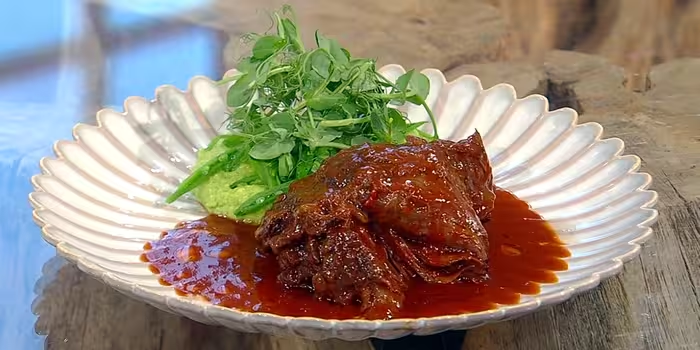
Tender braised beef cheek melts on the tongue, enriched by red wine and herbs. Vibrant pea purée adds sweetness and colour, while cooling horseradish cream provides a gentle kick. This comforting yet elegant dish celebrates slow cooking, perfect for a special dinner that feels both luxurious and warmly satisfying.
Prep:overnight
Cook:over 2 hours
Serves:Serves 2
Dietary:Egg-free, Gluten-free, Nut-free
 By Matt Tebbutt
From Saturday Kitchen Recipes
 Nutri-Score C. This braised beef cheek recipe offers a protein-rich meal with seasonal vegetables. The slow-cooked beef cheek provides iron and B vitamins, while the pea purée adds fibre and plant-based nutrients. Enjoy in moderation as part of a balanced diet.
Estimated per serving: 580 kcal, 32g fat (14g saturates), 22g carbs (12g sugars), 8g fibre, 48g protein, 1.8g salt





Ingredients
For the beef cheeks
- 1 beef cheek
- 1 onion, finely chopped
- 2 celery sticks, finely chopped
- 1 carrot, peeled and finely chopped
- 2 bay leaves
- 1 garlic bulb, cut in half
- 10g/½oz thyme
- 250ml/9fl oz red wine
- 1 tbsp tomato purée
- 400g tin tomatoes
- 300ml/10fl oz beef stock
For the pea purée
- 50g/1¾oz unsalted butter
- 1 shallot, chopped
- 1 garlic clove, peeled
- 2 tbsp chopped tarragon sprigs
- 250g/9oz frozen peas
- 150-200ml/5-7fl oz chicken stock
- salt and freshly ground black pepper
To serve
- 100g/3½oz sugar snap peas
- 2 tbsp pea shoots
- 2 tbsp tarragon oil
- horseradish cream
Customise
- Swap beef cheek for braising steak or short ribs for a similar rich result
- Use fresh peas instead of frozen when in season for extra sweetness
- Replace tarragon with parsley or chives for a different herbal note
- Try white wine instead of red for a lighter braising liquid
Method
- Marinate the beef cheek overnight (10 mins active, overnight resting – essential make-ahead step): Place the beef cheek in a large bowl with the chopped onion, celery, carrot, bay leaves, halved garlic bulb and thyme. Pour over the red wine, ensuring the meat is covered, then cover and refrigerate overnight. This crucial step tenderises the beef cheek and infuses it with deep, complex flavours that slow cooking alone can’t achieve.
- Brown the beef cheek and build the braising base (20 mins): The next day, drain the beef cheek and vegetables, reserving the red wine marinade. Pat the cheek completely dry with kitchen paper – this helps it colour beautifully. Heat a lidded casserole pan or Dutch oven over medium-high heat, then sear the beef cheek for 2-3 minutes on each side until deeply browned. Remove to a plate, then add the reserved vegetables to the pan and cook for 10 minutes until softened and fragrant.
- Slow braise the beef cheek (2-3 hours, mostly hands-off – perfect for overlapping tasks): Pour the reserved red wine into the pan with the vegetables and bubble vigorously until reduced by three-quarters – this concentrates the flavour. Stir in the tomato purée and tinned tomatoes, cook for 5 minutes, then return the beef cheek to the pot. Add enough beef stock to almost cover the meat, bring to a gentle simmer, then cover with the lid. Reduce the heat to low and cook gently for 2-3 hours, or until the beef cheek is meltingly tender and falls apart with a fork. You can prepare the pea purée while this simmers.
- Prepare the vibrant pea purée (15 mins, while beef braises): Melt half the butter in a saucepan over medium heat. Add the chopped shallot, garlic clove and tarragon, cooking gently until soft but not coloured. Tip in the frozen peas and pour in the chicken stock, then bring to a fast boil for just 2 minutes to keep the peas bright green. Remove from the heat immediately and blitz with a hand held blender until completely smooth. Stir in the remaining butter and add a splash more stock if needed to reach a creamy, pourable consistency. Season generously with salt and pepper, then keep warm until serving.
- Finish the sauce and prepare garnishes (10 mins, while beef rests): Once the beef cheek is tender, carefully remove it from the braising liquid and keep warm. Pour the cooking liquor through a sieve into a clean pan, discarding the solids. Taste the sauce and simmer gently to reduce until it coats the back of a spoon – this intensifies the rich, wine-infused flavour. Meanwhile, blanch the sugar snap peas in boiling water for 1 minute, then drain and refresh under cold water to keep them crisp and vibrant.
- Plate and serve with flair (5 mins): Spoon a generous swirl of the warm pea purée onto warmed serving plates. Arrange the blanched sugar snap peas and fresh pea shoots on top. Place the tender braised beef cheek alongside, then ladle over the reduced braising sauce. Add a dollop of cooling horseradish cream and finish with a drizzle of tarragon oil for that final restaurant-quality touch.
- Chef’s tip: For the most tender braised beef cheek, keep the braising liquid at the merest simmer – vigorous boiling can toughen the meat. The contrast between the rich, wine-infused beef cheek, sweet pea purée and cooling horseradish cream creates a perfectly balanced plate that showcases the best of British seasonal cooking.