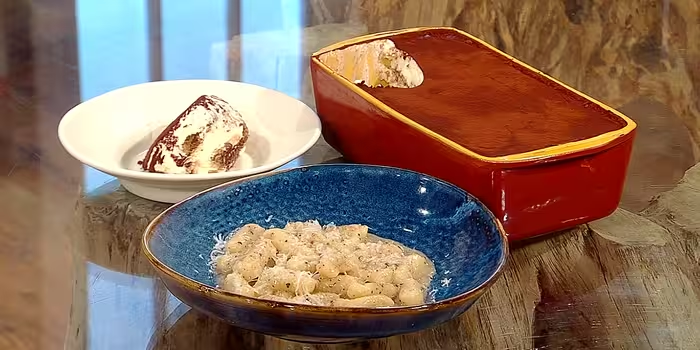
This Roman cavatelli cacio e pepe brings together hand-rolled pasta, sharp pecorino and toastied black pepper for a silky, indulgent dish. The tiny cavatelli hold the creamy cheese sauce perfectly, while the pepper adds a warm, aromatic kick that makes this simple cacio e pepe feel deeply satisfying and authentically Italian.
 By Adam Byatt
From Saturday Kitchen Recipes
 This cavatelli cacio e pepe likely lands around Nutri-Score D because it uses ’00’ flour, pecorino cheese, boiling water and plenty of black pepper with olive oil. The pasta and cheese make it rich and indulgent, so treat it as a comforting occasional meal rather than an everyday dish. The egg-free and nut-free tags make it suitable for those avoiding eggs and nuts while enjoying a classic Roman cacio e pepe.[/p]
Estimated nutrition (per serving, 4): kcal ~420–460, fat ~12–15g, saturated fat ~5–6g, carbs ~62–68g, sugars ~1–2g, fibre ~2.5–3g, protein ~14–16g.





Ingredients
- 200g/7oz ’00’ flour, plus extra for dusting
- 125g/4½oz boiling water
- Coarse semolina, for dusting
- 100g/3½oz pecorino, grated
- Salt and freshly ground black pepper
- 2 tbsp olive oil, to serve
Customise
- Use strong white flour instead of ’00’ flour if you cannot find ’00’ flour for your cavatelli cacio e pepe dough.
- Use Parmigiano Reggiano instead of pecorino for a softer, less sharp cacio e pepe cheese flavour.
Method
- Mix flour and boiling water to form dough. Add the ’00’ flour to a wide bowl. Pour the boiling water into the flour and mix with a spoon until a dough forms. The hot water helps the flour hydrate quickly, making your cavatelli dough easier to work with.
- Knead dough until smooth. Transfer the dough to a clean work surface and knead by hand until you have a smooth dough. This develops the structure for your cavatelli and ensures they hold their shape when cooking.
- Shape pasta logs and cut pieces. Cut the dough into quarters. Dust the surface with semolina and roll the dough quarters into logs, with an even width of around 2cm/¾in. Use a sharp knife to cut each log into 2–3cm/¾–1in pieces. Semolina dusting prevents sticking and gives cavatelli a nice texture.
- Dust gnocchi paddle and roll cavatelli. Lightly dust the gnocchi paddle with flour. Place a piece of pasta on the paddle just over halfway down. Roll the cavatelli away from you pressing with medium firm pressure, this will create a cavity. The cavity holds the cacio e pepe sauce beautifully.
- Cook cavatelli in salted water. Once you have rolled all the dough, bring a large pan of salted water to the boil. Cook the cavatelli for 30 seconds, or until they begin to float. Drain, reserving some pasta cooking water. Fresh cavatelli cook very quickly, so watch them closely.
- Toast black pepper until fragrant. In a wide based pan, toast plenty of black pepper for 1 minute until fragrant. Toasting releases the pepper’s warm, aromatic oils for a Classic Roman cacio e pepe finish.
- Add pasta water and bring to boil. Add around 100ml/3½fl oz of the reserved pasta water and bring to a boil. This creates the base for your creamy cacio e pepe sauce.
- Add cavatelli and reduce liquid. Add the cooked cavatelli and reduce the liquid slightly. This helps the sauce cling to the pasta and makes your cacio e pepe silky.
- Stir in pecorino until creamy. Turn off the heat and stir in the pecorino until smooth and creamy. Turning off the heat prevents the cheese from greasing, keeping your cacio e pepe sauce velvety.
- Finish with olive oil and serve. Finish with the olive oil and serve immediately. The olive oil adds a glossy finish and rounds out the cacio e pepe flavours beautifully.
Helpful tip: Roll the cavatelli with medium firm pressure to create a nice cavity. This helps each piece hold the creamy pecorino and black pepper cacio e pepe sauce.
- Can I use dried pasta instead of making cavatelli? Yes; use 300g dried cavatelli or small pasta, but homemade cavatelli makes cacio e pepe feel authentically Roman.
- How do I know when cavatelli are cooked? They cook in about 30 seconds and float to the surface, showing your cacio e pepe pasta is ready.
- Can I make cacio e pepe without pecorino? Yes; use Parmigiano Reggiano, but pecorino gives the classic Roman cacio e pepe sharpness.
- Is this cavatelli cacio e pepe egg-free and nut-free? Yes; the recipe is egg-free and nut-free, so it’s suitable for those avoiding eggs and nuts.