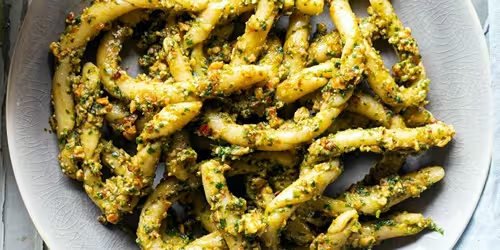
A swirl of homemade Sicilian pasta coated in a vibrant pesto alla trapanese – bursting with fresh tomatoes, basil, almonds, and pecorino. Every bite balances nuttiness and tang, perfect for an Italian weekend meal that’s rustic but elegant.
Prep: 1 hour
Cook: 10 mins
Serves: Serves 4
Dietary: Egg-free, Pregnancy-friendly
 By Finn Lagun and Roberta D’Elia
From Saturday Kitchen Recipes
Original recipe from BBC Saturday Kitchen Live.

This dish receives a Nutri-Score of A thanks to its fresh tomatoes, healthy fats from olive oil and almonds, and a moderate energy profile – an ideal Mediterranean balance of flavour and nutrition.
Equipment
Ingredients
For the Busiate
- 200g semola di grano duro flour
- 100ml lukewarm water
For the Pesto alla Trapanese
- 300g pachino or cherry tomatoes
- 1 garlic clove, peeled
- 60g blanched almonds
- 20g fresh basil leaves
- 70g sun-dried tomatoes (optional)
- 60g pecorino romano, grated, plus extra for serving
- 50ml extra virgin olive oil
- Pinch of salt
Customise
- Use almond flakes instead of whole almonds for smoother blending.
- Replace pecorino with parmesan if preferred.
- Swap cherry tomatoes for plum tomatoes in winter months.
- Add a dash of chilli flakes for gentle heat.
Method
Make the Busiate – 45 mins
- Mix the dough. Pour the semola flour on a clean surface and add warm water slowly, mixing with your fingers until a crumbly dough forms.
- Knead and rest. Work it for 5–10 minutes until smooth and elastic. Wrap and rest for at least 30 minutes at room temperature.
- Shape the pasta. Cut small chunks, roll into thin ropes, and twist around a skewer to create the signature busiate spirals. Dust lightly with semolina and leave to dry for 15 minutes.
Prepare the Pesto – 15 mins
- Blanch the tomatoes. Boil for 2 minutes, then cool and peel. This keeps the sauce silky and removes bitterness.
- Blend the base. Add garlic, salt, and almonds to your blender. Blitz until coarse.
- Add the rest. Add blanched tomatoes, basil, and optional sun-dried tomatoes, then blend again. Stir in pecorino and olive oil to finish. Taste and adjust seasoning.
Cook and Serve – 10 mins
- Boil the pasta. In a large pan of salted water, cook the fresh busiate for 2–3 minutes, or until they float.
- Combine. Reserve a tablespoon of pasta water, drain busiate, and mix directly with the pesto until glossy and well-coated.
- Serve hot. Plate the pasta, sprinkle extra pecorino on top, and enjoy a true taste of Sicily.
Suggested Wine Pairing
- Asda Extra Special Gavi (£9.50): Crisp and mineral-driven, perfect for cutting through the richness of the pesto.
- Waitrose Sicilian Catarratto (£8.99): Its citrusy freshness complements the tomato and basil beautifully.
- Marks & Spencer Nero d’Avola Rosato (£10.50): A rosé that’s fruity yet dry, ideal with Mediterranean herbs and nuts.
What can you serve with this
- Grilled aubergines – their smoky depth matches well with the almond pesto.
- Fresh green salad – brings a crisp contrast to the pasta.
- Garlic focaccia – handy for mopping up leftover pesto.
- Chilled antipasto – olives, marinated peppers, and artichokes create a full Italian spread.
- Roasted cherry tomatoes – intensify the dish’s naturally sweet notes.
FAQs for Busiate with Pesto alla Trapanese
- What is busiate? It’s a twisted Sicilian pasta made by rolling dough around a skewer, perfect for clinging to thick sauces.
- Can I use regular pasta instead? Yes, spaghetti or fusilli also work well with pesto alla trapanese.
- What nuts can replace almonds? Cashews or pine nuts create a similar texture and flavour.
- Can I make the pesto ahead? Yes, refrigerate for up to 3 days in an airtight container covered with a thin layer of olive oil.
- Do I need to blanch the tomatoes? It’s optional but enhances smoothness and colour.
- Is busiate pasta vegan? Yes, the dough contains just semolina and water.
- Why is it called pesto alla trapanese? It comes from Trapani, a city in western Sicily known for using almonds instead of pine nuts.
Nutri-score Health Check
This recipe scores a Nutri-Score A due to its plant-rich ingredients, unsaturated fats from olive oil, and minimal processed content. It’s an incredibly heart-friendly Mediterranean meal.
Positive Factors
- High in healthy fats from olive oil and almonds.
- Rich in vitamin C and antioxidants from tomatoes.
- Good source of protein from cheese and nuts.
Negative Factors
- Contains sodium from cheese and seasoning.
The Nutri-Score is calculated automatically from the listed ingredients and should be used as a guide only.