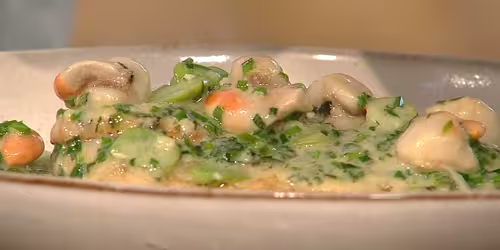
This light, summery dish features golden sautéed plaice fillets topped with ginger-scented queen scallops and sweet broad beans, all brought together with a creamy, herby crème fraîche sauce and a zing of lime.
less than 30 mins
10 to 30 mins
Serves 4
Egg-free, Nut-free
 By Matt Tebbutt
From Saturday Kitchen
Original recipe from BBC Saturday Kitchen Live.
 This sautéed plaice with broad beans, crème fraîche and queen scallops scores a Nutri-Score B. It’s high in lean protein and fibre, with a creamy sauce that adds richness without excess fat. Enjoy as a light, nutritious main course.
Equipment
Ingredients
For the fish
- 25g plain flour, seasoned with salt and pepper
- 4 plaice fillets from a large fish, bone discarded
- 20g unsalted butter
- 2 tbsp olive oil
- 1 lime, zest and juice
For the broad beans and scallops
- 20g unsalted butter
- 1 tsp chopped fresh root ginger
- 50g double podded broad beans
- 10 queen scallops, in half shell
- Splash vermouth
- 2 tbsp crème fraîche
- 1 tbsp fresh chives, chopped
- 1 tbsp tarragon, chopped
- 2 tsp fresh chopped mint
- Pinch sea salt
Method
- Season the flour with salt and black pepper and place in a wide, shallow bowl. Dust the plaice fillets lightly in the seasoned flour.
- Heat a frying pan and melt the olive oil and butter together until foaming. Fry the fish fillets, turning to colour both sides. Finish with the lime zest and juice. Remove and keep warm.
- In the same or a clean pan, melt the butter. Add the ginger and cook for 2 minutes on medium heat. Add the broad beans and cook for a further 2 minutes.
- Scoop the scallops out of their shells and add to the pan. Cook for 1 minute, then pour in a splash of vermouth to deglaze.
- Finish with the crème fraîche, chives, tarragon, mint, and a pinch of sea salt. Stir gently to combine.
- To serve, place the plaice fillets on plates and top with the scallop and broad bean mixture. Serve immediately.
Suggested Wine Pairing
This dish pairs beautifully with crisp, mineral-driven white wines that complement the delicate seafood and creamy sauce. Here are three great options under £12.50:
- Chablis (Unoaked Chardonnay) – Fresh, citrusy, and mineral, perfect for plaice and scallops.
- Picpoul de Pinet – Zesty, light, and refreshing, highlights the herbs and lime.
- Albariño – Fruity and saline, a classic seafood match.
Suggested Beer Pairing
- Pilsner – Camden Hells: Crisp and clean, this lager refreshes the palate and lets the seafood shine.
- Belgian Witbier – Hoegaarden: Subtle citrus and spice echo the ginger and herbs in the dish.
- Session IPA – Beavertown Neck Oil: Light, hoppy, and aromatic, it complements the lime and crème fraîche without overpowering the fish.
What can you serve with this
- Crusty bread – For mopping up the creamy sauce.
- Steamed new potatoes – A classic, simple side.
- Green salad with lemon vinaigrette – Adds freshness and crunch.
FAQs for Sautéed Plaice with Broad Beans, Crème Fraîche and Queen Scallops
- Can I use frozen plaice fillets? Yes, just thaw thoroughly and pat dry before cooking.
- What can I use instead of queen scallops? King scallops (cut in half) or small prawns work well.
- Is this recipe gluten-free? Use gluten-free flour for dusting the fish.
- Can I make this dish ahead? It’s best cooked and served fresh, but you can prep the beans and herbs in advance.
- What’s a good substitute for vermouth? Dry white wine or a splash of lemon juice can be used.
- Can I use other beans? Yes, peas or edamame are a good substitute for broad beans.
- How do I know when the scallops are cooked? They should be opaque and slightly springy, not rubbery.
- Can I use dried herbs? Fresh herbs are best for flavour, but use half the amount if substituting dried.
Nutri-score Health Check
This sautéed plaice with broad beans, crème fraîche and queen scallops scores a B on the Nutri-Scale.
Positive Factors: High in lean protein and fibre, with healthy fats and plenty of fresh herbs.
Negative Factors: Contains a small amount of butter and crème fraîche, so enjoy as part of a balanced diet.
This score has been automatically calculated from the ingredients in the recipe and is only a guide.