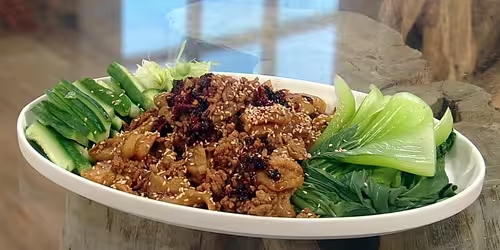
Hand-cut ribbons of chewy noodle catch every drop of this deeply savoury pork zha jiang sauce, layered with aromatic beans, ginger, and garlic. Crisp cucumber, pak choi, and chilli oil complete the bold bowl.
1–2 hours
30 mins to 1 hour
Serves 2
Dairy-free, Egg-free, Nut-free

By Julie Lin
From Saturday Kitchen
Original recipe from BBC Saturday Kitchen Live.

With lean pork, lots of fresh veg, and a noodle base low in fat and sugar, this noodle bowl clocks a Nutri-Score of B. High in protein and fibre with limited saturated fat, it makes a balanced, satisfying main.
Equipment
Ingredients
Scissor Cut Noodles
- 250g plain flour, plus extra for dusting
- ½ tsp salt
- 180ml warm water
- 1 tbsp neutral oil (optional, for coating dough)
Pork Zha Jiang Sauce
- 1 tbsp neutral oil
- 200g pork mince (at least 40% fat if possible)
- 2 garlic cloves, finely chopped
- 1 thumb-sized piece ginger, peeled and finely chopped
- 1 tbsp yellow soybean paste (huang dou jiang)
- 1 tbsp sweet bean sauce (tian mian jiang)
- 2 tbsp light soy sauce
- 1 tbsp dark soy sauce
- 1 tsp sugar
- 1 tsp rice vinegar, to taste
- Salt, to taste
To Serve
- 2 pak choi, blanched
- ¼ cucumber, finely julienned
- 1 spring onion, finely sliced
- 2 tbsp chilli oil
- 2 tbsp toasted sesame seeds
Method
- Make the Noodle Dough:In a large mixing bowl, combine flour and salt. Slowly add warm water while mixing with chopsticks or a fork until the dough forms rough clumps. Bring together by hand into a shaggy ball.
- Knead and Rest:Turn dough onto a clean surface. Knead for about 10 minutes until smooth and elastic, adding a little water or flour to adjust texture. Coat lightly with oil (if using), wrap in clingfilm or cover with a damp cloth, and let rest at room temperature for 1 hour.
- Shape and Cut Noodles:Flour your surface and roll dough into a rough rectangle about 5mm thick. Lightly dust with flour. Bring a large pan of salted water to a rolling boil. Hold dough above the pot and snip strips directly into the water with kitchen scissors—thick or thin, long or short, as you like. Irregular shape adds to the charm.
- Cook the Noodles:Boil for 2–4 minutes, depending on thickness, until chewy and bouncy. Drain and rinse briefly under warm water if tossing with sauce.
- Prepare Pork Zha Jiang Sauce:Heat oil in a frying pan or wok over medium-high heat. Add pork mince and break up. Cook 5–7 minutes until browned and starting to crisp. Add garlic and ginger, stir-frying until fragrant. Stir in yellow soybean paste and sweet bean sauce, letting them toast for a minute.
- Simmer the Sauce:Pour in light and dark soy sauce, sugar, and 100ml water. Season with rice vinegar and a pinch of salt. Reduce to a gentle simmer and cook for 10–15 minutes until thickened and glossy, adding a splash more water if needed. The sauce should cling to the pork.
- Assemble and Serve:Toss most of the pork sauce through the noodles. Divide noodles between bowls, spoon over the rest of the sauce. Top with blanched pak choi, julienned cucumber, spring onion, a spoonful of chilli oil, and a sprinkle of sesame seeds.
Chef’s Tips
- Don’t worry about making noodles perfectly uniform—irregular shapes are traditional and soak up plenty of sauce.
- For extra crunch, add shredded carrot, radish, or mung bean sprouts.
- Yellow soybean and sweet bean pastes are available in larger supermarkets or Asian grocery stores; miso and hoisin can substitute in a pinch.
Suggested Wine Pairing
- Majestic: Villa Maria Private Bin Riesling – Off-dry with juicy lime and floral notes, this white wine pairing tempers the heat and matches pork’s richness.
- Tesco: Finest Soave Classico – Lively citrus, almond and spice keep pace with the savoury bean sauce and chilli oil.
- Sainsbury’s: Taste the Difference Pinot Noir Rosé – Rose-fruited and refreshing, easily handles the salty, umami elements and brightens each bite.
What can you serve with this
- Smashed cucumber with garlic and sesame – Cool, crunchy salad balances the warmth of the sauce and noodles.
- Chilled tofu with soy and spring onion – Soft, mellow tofu provides a soothing, protein-rich contrast.
- Chinese pickled radish – Adds tang and a gentle bite between mouthfuls of porky noodles.
FAQs for Scissor Cut Noodles with Pork Zha Jiang
- What are scissor cut noodles? Scissor cut noodles are hand-made, rustic wheat noodles cut straight into boiling water with kitchen scissors, valued for their chewy texture and irregular shape.
- Can I use dried noodles instead? For convenience, you can, but the texture and charm of fresh scissor cut noodles are hard to beat.
- Can I substitute the pork? Yes—try minced chicken, turkey, or mushrooms for a lighter or vegetarian version.
- Is yellow soybean paste essential? It adds authentic flavour, but you can blend miso and a dash of soy sauce as an alternative.
- How spicy is zha jiang? The sauce itself isn’t very spicy, so adjust the chilli oil garnish to taste.
- Can I freeze leftover sauce? Absolutely, it freezes well for up to a month and reheats in minutes.
- How thin should the noodles be? About 0.5cm thick is usual, but experiment for your favourite chewiness.
- Is this dish gluten-free? No, but you can make gluten-free noodles using a blend of gluten-free flour and xanthan gum.
- What is the best way to reheat? Warming noodles and sauce gently in a pan with a dash of water keeps them lively.
- What’s the difference between zha jiang and dan dan noodles? Zha jiang sauce is rich, savoury and bean-based, while dan dan features sesame, chilli oil and often a broth.
Nutri-score Health Check
Scissor cut noodles with pork zha jiang receive a Nutri-Score B. There’s generous protein from pork, slow carbs from homemade noodles, and plenty of fresh veg as topping. Limited use of oil and modest sugar keep saturated fat and calories lower, but portion size matters.
Positive Factors
- Pork mince: High-protein and iron
- Spring onion, cucumber, pak choi: Added fibre, vitamins, hydration
- Flour-based noodles: Slow-release, low-sugar energy
Negative Factors
- Salt and soy sauces: Bring sodium up—moderate where possible
- Fried pork: Contains some saturated fat
Nutri-score is automatically calculated from recipe ingredients and for guidance only.