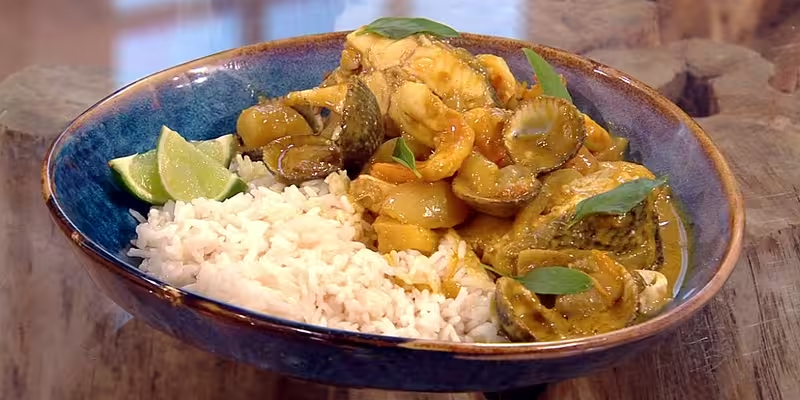
A fragrant Thai-style fish curry that blends freshly made curry paste with coconut milk, tender seafood, and soft potatoes. Each spoonful delivers aromatic spice, creamy texture, and a balance of sweet, sour, and savoury – perfect warming comfort for cold evenings.
Prep: less than 30 mins
Cook: 30 mins to 1 hour
Serves: Serves 4
Dietary: Dairy-free, Egg-free, Gluten-free, Nut-free
 By Matt Tebbutt
From Saturday Kitchen Recipes
Original recipe from BBC Saturday Kitchen Live.
 This curry earns a Nutri-Score B thanks to its lean proteins from fish and prawns, moderate fat from coconut milk, and nutrient-rich herbs. It’s flavoursome yet balanced — ideal for a nutritious main course.
Equipment
Ingredients
For the paste
- 6 garlic cloves
- ½ tbsp cumin seeds
- ½ tbsp coriander seeds
- ½ tsp white peppercorns
- 3 Thai green chillies
- 1 tbsp fresh grated ginger
- 1 tbsp fresh grated galangal
- 1 lemongrass stick
- ½ tbsp ground turmeric
- 1 tsp shrimp paste
- 3 Thai shallots
- 1 tbsp Thai curry powder
- pinch salt
- 20g coriander stalks
- 2 tbsp vegetable oil
For the curry
- 2 tbsp vegetable oil
- 2 onions, cut into wedges
- 1 large potato, chopped
- 400ml coconut milk
- 500ml stock (fish, chicken, or vegetable)
- 1 whole bass, snapper, or sea bream
- 4 large prawns, peeled and butterflied
- 200g clams or cockles
- Coriander leaves
- 20g Thai basil
- Fish sauce, to taste
- Palm sugar, to taste
- Juice of 2 limes
- Steamed jasmine rice, to serve
Customise
- Swap seafood for chicken or tofu for variety.
- Increase chillies for extra heat.
- Use light coconut milk for a lower fat version.
Method
Make the Paste
- Put all paste ingredients in a blender and process until smooth.
- Scrape down the sides as needed to ensure even blending.
Cook the Curry
- Heat vegetable oil in a large pan. Fry onion wedges and potato pieces for about 10 minutes until softened.
- Add curry paste and cook for a few minutes to release its aromas.
- Spoon in the coconut solids from the top of the tin, stir, and cook on medium heat for 5 minutes.
- Pour in the remaining coconut liquid and stock, bring to a gentle simmer.
- Add the whole fish, reduce heat, and cook for 2–3 minutes.
- Add clams and prawns; simmer until seafood is just cooked.
- Stir in coriander leaves and Thai basil just before serving.
- Season with fish sauce, palm sugar, and lime juice to taste.
- Serve hot with steamed jasmine rice.
Suggested Wine Pairing
- Majestic: The Society’s Riesling (£9.99) – Crisp and citrus-led, cutting through coconut richness.
- Tesco Finest Albariño (£10.50) – Saline and bright, perfectly matches seafood elements.
- Sainsbury’s Taste the Difference Grüner Veltliner (£8.75) – Herbal notes complement the Thai basil and lemongrass.
What can you serve with this
- Thai prawn crackers – Light, crunchy side for dipping.
- Fresh papaya salad – Adds tang and freshness.
- Stir-fried morning glory – Complements the herbal notes.
- Grilled coconut skewers – Sweet contrast to spicy curry.
- Pickled vegetables – Sharp, tangy counterpoint.
FAQs for Thai-style Fish Curry
- Can I make the paste ahead?
Yes, it keeps for 3 days in the fridge or 1 month in the freezer. - Can I use frozen seafood?
Absolutely – thaw and drain well first. - Is this very spicy?
It’s medium; adjust chillies for preference. - What’s best fish to use?
Firm white fish such as sea bream or snapper. - Can I make it vegetarian?
Replace shrimp paste and seafood with tofu and mushrooms. - Why add coconut solids first?
It deepens flavour and creates a richer sauce.
Nutri-score Health Check
This recipe scores B for its balance of lean protein, vegetables, and healthy fats from coconut milk.
Positive Factors
- Seafood delivers omega-3 fatty acids.
- Fresh herbs add antioxidants.
- Gluten-free when served with rice.
Negative Factors
- Coconut milk adds saturated fat.
- Sodium from fish sauce can be high if not moderated.
Nutri-Score calculated automatically from listed ingredients; use as guidance only.