
The perfect homemade oatcake recipe, combining oatmeal and flour for a traditional Scottish treat. These versatile oat cakes are easy to make and ideal for both sweet and savoury toppings.
Preparation time
Less than 30mins
Cooking time
Less than 10 mins
Serves
Serves 4 – 6
 By James Martin
From Saturday Kitchen
These oatcakes are a nutritious snack option, rich in fibre from oatmeal and low in sugar. They offer a healthier alternative to processed crackers.
Equipment
Ingredients
For the oatcake:
- Medium oatmeal: 110g/4oz, plus more for dusting
- Plain flour: 110g/4oz
- Lard, dripping or poultry fat: 55g/2oz
- Salt: 1 level tsp
- Cold water: as needed
For the glaze:
- Egg: 1
- Milk: 1 tbsp
- Sugar: 1 tsp
Method
Step 1: Prepare the dough
- Mix oatmeal and flour in a bowl.
- Rub in the fat and add salt.
- Add just enough cold water to form a soft dough.
Step 2: Shape the oatcake
- Roll out dough on an oatmeal-dusted surface.
- Cut into circles with a scone cutter or quarter a dinner-plate sized round.
Step 3: Prepare the glaze
- Mix egg, milk, and sugar to create a glaze.
Step 4: Cook the oatcakes
- Cook on an ungreased medium-hot griddle without turning.
- Brush with glaze immediately after placing on griddle.
- Remove when fully cooked.
Step 5: Store
- Keep in an airtight container.
Serving Suggestion
Serve these traditional oatcakes with a selection of cheeses, smoked salmon, or your favourite jam for a delightful snack or appetizer. They pair well with a robust red wine or a crisp white wine, depending on your choice of toppings.
Nutri-score Health Check
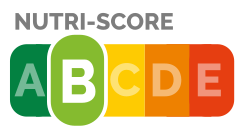
These oatcakes receive a Well balanced rating on the Nutri-score system. They are relatively low in sugar and high in fibre from the oatmeal, making them a healthier alternative to many processed crackers. However, the use of lard or poultry fat does add some saturated fat content. The score is automatically calculated from the ingredients in the recipe and serves as a guide.
Recipe FAQ
Can I use vegetable oil instead of lard?
Yes, you can substitute vegetable oil, but it may slightly alter the texture.
How long do these oatcakes stay fresh?
When stored in an airtight container, they can last up to a week.
Can I make these oatcakes gluten-free?
Yes, use gluten-free flour and ensure your oatmeal is certified gluten-free.
Are oatcakes suitable for vegans?
This recipe isn’t vegan due to the lard and egg, but you can adapt it using vegetable fat and omitting the glaze.
Can I add herbs or spices to the dough?
Absolutely! Herbs like rosemary or thyme can add a lovely flavor to savory oatcakes.
What if I don’t have a griddle?
A heavy-based frying pan can work as an alternative to a griddle.
Can these be baked instead of cooked on a griddle?
Yes, you can bake them in a preheated oven at 180°C (160°C fan) for about 15-20 minutes.
How thick should I roll the dough?
Aim for about 3-4mm thickness for the best texture.
What’s the difference between Scottish oatcakes and Staffordshire oatcakes?
Scottish oatcakes are dry and crunchy, like a cracker, while Staffordshire oatcakes are soft and pancake-like.
Oatcake History & Regional Variations
An oatcake is a type of flatbread that’s similar to a cracker or biscuit, and sometimes even looks like a pancake. The main ingredient is oatmeal, but some recipes also use plain or whole wheat flour. Oatcakes can be cooked on a griddle (called a “girdle” in Scotland) or baked in an oven.
Oatcakes have been around in Scotland since at least the time of the Romans, over 2,000 years ago. They became a staple food because oats grow well in Scotland’s cool, wet climate. For centuries, oatcakes were the main type of bread in Scotland. Even in the 1300s, people described nuns making thin, wafer-like oatcakes.
Oatcake Regional Variations
Oatcakes are popular in many parts of the UK and beyond, and each region has its own style. Great Britain England In Lancashire, a leavened oatcake called “riddle bread” was popular. In Staffordshire, oatcakes are more like pancakes and include wheat flour as well as oats. In Yorkshire, oatcakes are cooked only on one side, making the top bubbly. The Duke of Wellington’s Regiment was nicknamed the “Havercakes” because their recruiters would carry oatcakes on their swords. Scotland Oatcakes can be rough or fine, chewy or hard, depending on how the oats are ground and how long they’re cooked. Traditionally, oatcakes were eaten with every meal as a main source of carbohydrates. In the 1800s and later, people started eating them with soups, meat, and fish. Wales Ireland Canada
Oatcakes are strongly associated with Scotland, but they’re also made in other parts of Britain. In Scotland, oatcakes often replace toast at breakfast. Even Queen Elizabeth II enjoyed Scottish oatcakes for breakfast, and some brands, like Walkers, have a Royal Warrant.
In England, oatcakes vary by region. For example:
In Scotland, oatcakes are usually made on a griddle or baked in rounds.
Welsh oatcakes are more like savory pancakes. Sometimes, people would crumble them into a breakfast dish called “brewis.”
Ireland also has oatcakes similar to the Scottish kind.
Scottish immigrants brought oatcake recipes to Canada. There’s even a story from 1775 about settlers on Prince Edward Island making oatcakes from oats that survived a shipwreck. Over time, oatcakes in Canada became a treat for afternoon tea, with both sweet and savory versions served with jam or cheese.