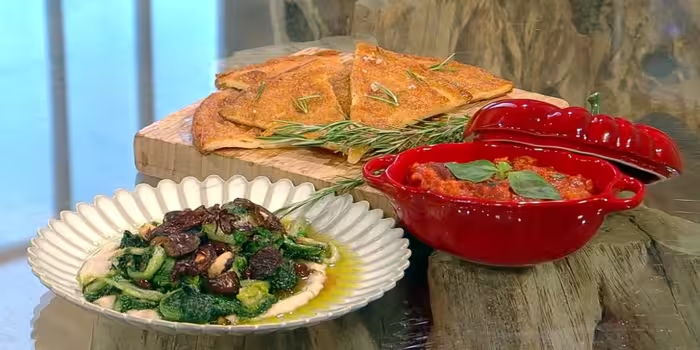
A rustic Italian feast featuring pappa col pomodoro, sweet escarole with caramelised onion and chestnuts, and crispy oven-baked cecina. Luca Calvani’s three-part recipe blends tomato-soaked bread, miso-glazed greens and gram flour flatbread into a comforting, flavour-packed meal perfect for sharing.
Prep: 1-2 hours
Cook: 1 to 2 hours
Serves: Serves 4
Dietary: Vegetarian, Vegan option
 By Luca Calvani
From Saturday Kitchen Recipes

Equipment




Ingredients
For the pappa col pomodoro
- 700g ripe plum tomatoes or 500g tomato passata
- 20g basil leaves, plus extra to serve
- 1 pinch granulated sugar
- 500g rustic unsalted bread
- 2 tbsp extra virgin olive oil, plus extra to serve
- 3 garlic cloves
- 1 pinch chilli flakes
- 1.5 litres vegetable stock
- salt and freshly ground black pepper
For the escarole
- 1 red onion, sliced
- 2 tbsp extra virgin olive oil, plus extra to serve
- 1 tbsp caster sugar
- 1 tbsp apple cider vinegar
- 1 head escarole
- 40g raisins
- 3 garlic cloves
- ½ tsp chilli flakes
- ½ tbsp miso paste
- 60g Taggiasca olives, pitted
- 10 cooked chestnuts
- 50g cashew nuts
- 2 x 400g jars cannellini beans, drained
- salt and freshly ground black pepper
For the cecina
- 180g gram flour
- 2 tbsp extra virgin olive oil, plus extra for the tin
- 2 sticks fresh rosemary leaves
- 1½ tbsp salt
- freshly ground black pepper
Customise
- Rustic unsalted bread → Use sourdough or ciabatta for the pappa col pomodoro base, ensuring it is stale for best absorption
- Tomato passata → Fresh plum tomatoes give a brighter flavour, but good-quality passata saves time for this Luca Calvani recipe
- Escarole → Substitute with cavolo nero, kale or Swiss chard for the miso-glazed greens component
- Gram flour → Chickpea flour works identically for the oven-baked cecina flatbread
- Cannellini beans → Butter beans or borlotti beans make a creamy alternative purée for the escarole base
- Chestnuts → Use vacuum-packed cooked chestnuts or roast fresh ones for extra sweetness in the escarole
- Miso paste → White miso is milder, while red miso adds deeper umami to the caramelised onion and escarole
Method
Stage 1 — Prepare the Pappa Col Pomodoro (45 minutes)
- Make the tomato sauce. If you use fresh tomatoes, put them in a saucepan with enough water to cover. Cover with a lid and cook for about 20 minutes until the skins wrinkle. Drain, then pass the tomatoes through a food mill to make a thick sauce, discarding the skins and seeds. If you use passata, skip this step and proceed.
- Simmer the sauce. Put the tomato sauce or passata in a saucepan with the basil, sugar and a little salt. Simmer for 20 minutes until thickened. This concentrates the flavour for your pappa col pomodoro.
- Prep the bread. Thinly slice the rustic bread, then tear it into smaller pieces. This helps it absorb the tomato sauce evenly.
- Flavour the oil. Cut the garlic into large pieces. Heat some olive oil in a large flameproof casserole over a medium heat and add the garlic. Cook gently to flavour the oil, then remove and discard the garlic.
- Toast the bread. Add the chilli flakes, followed by the bread, and stir so the bread absorbs the flavoured oil. This step prevents the pappa col pomodoro from becoming soggy too quickly.
- Add stock and sauce. Warm the vegetable stock in a separate saucepan. Add the tomato sauce to the bread and stir well. Simmer over a medium heat, gradually adding the warm stock as the mixture thickens, until it reaches a porridge-like consistency.
- Serve lukewarm. Leave to cool slightly and serve lukewarm, drizzled with extra virgin olive oil and finished with black pepper and extra basil leaves. This classic Saturday Kitchen dish tastes best when not piping hot.
Stage 2 — Cook the Escarole with Caramelised Onion and Chestnuts (30 minutes)
- Caramelise the onion. Put the onion in a small saucepan with some olive oil and a pinch of salt. Cover and cook gently over a low heat until softened. Increase the heat and add the sugar. Pour in the apple cider vinegar and cook for a couple of minutes. Reduce the heat and continue cooking gently until the onion is caramelised.
- Prep the escarole and raisins. Wash the escarole and separate the leaves. Put the raisins in a bowl, cover with hot water and leave to soak while you cook the escarole. This plumps them up for the final toss.
- Wilt the greens. Heat some olive oil in a wok or large frying pan over medium heat. Peel and crush 2 garlic cloves, add them to the pan and tilt the pan so the hot oil coats the garlic. Add the chilli flakes, followed immediately by the escarole.
- Add miso and cover. Stir in the miso paste, reduce the heat and cover. Cook gently until the escarole has wilted and the stems are translucent. The steam helps cook the tougher stems evenly.
- Toss in nuts and olives. Uncover and increase the heat. Fry briefly, then drain the raisins and add them gradually with the olives, chestnuts and cashews, tossing everything together. This adds texture and sweetness to the escarole.
- Combine with onion. Add the caramelised onion and another drizzle of olive oil, then toss together. The sweet onion complements the salty miso and olives perfectly.
- Make the bean purée. Blend the drained cannellini beans with the remaining garlic clove until puréed. Spread the bean purée over a serving plate and arrange the escarole mixture on top. Finish with black pepper and a final drizzle of olive oil.
Stage 3 — Bake the Cecina (2 hours 15 minutes, mostly resting)
- Make the batter. Put the gram flour and 600ml water in a bowl and blend with a hand blender until smooth. Skim off any foam with a spoon, cover the bowl with a clean tea towel and leave to rest for about 2 hours. This resting time is crucial for the cecina texture.
- Heat the oven and tin. After the resting time, preheat the oven to 220C/200C Fan/Gas 7. Oil a 36cm round baking tin and put it in the oven so the tin and oil become very hot. This helps the cecina crisp up immediately.
- Season the batter. Stir the 2 tablespoons of olive oil and the salt into the rested batter, making sure any flour that has settled at the bottom is mixed in.
- Bake until set. Carefully remove the hot tin from the oven and slowly pour in the batter. Return it to the oven and bake for 45–50 minutes, or until set with no bubbling or wobbling visible beneath the surface.
- Finish and serve. Remove from the oven and leave to cool for 5 minutes. Sprinkle with the rosemary leaves and freshly ground black pepper. Slice the cecina and serve alongside the pappa col pomodoro and escarole for a complete Luca Calvani feast.
Tips for the Best Pappa Col Pomodoro with Escarole and Cecina
- Use stale bread for the pappa col pomodoro as it absorbs the tomato sauce without turning mushy.
- Pass the fresh tomatoes through a food mill for a silky sauce texture without skins or seeds.
- Let the gram flour batter rest fully to avoid a gritty texture in the oven-baked cecina.
- Soak the raisins in hot water to plump them up before adding to the escarole mixture.
- Caramelise the onion slowly for maximum sweetness to balance the salty miso and olives.
- Serve the pappa col pomodoro lukewarm rather than hot for the best flavour and consistency.
- Drizzle extra virgin olive oil over each component just before serving to enhance the richness.