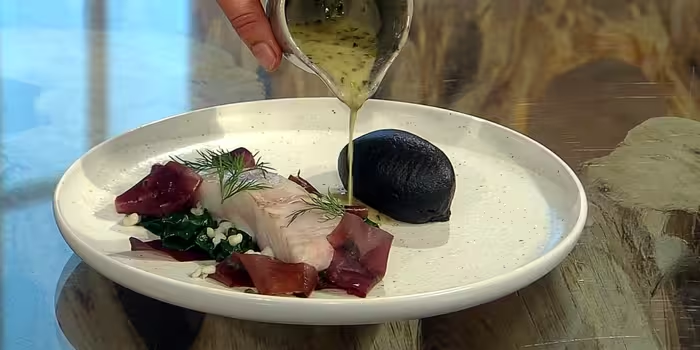
Pollock baked until silky and tender sits beside dramatic jet-black squid ink mash, with a glossy seaweed beurre blanc and a warm salad of squid, wilted spinach and briny dulse. It is restaurant cooking made wonderfully doable at home – moody, buttery and full of the sea.
 By Anna Haugh
From Saturday Kitchen Live

This pollock dish earns a Nutri-Score of B. Lean white fish and squid deliver excellent protein, spinach and dulse add iron, fibre and minerals, and the mash uses milk rather than cream. The butter in the sauce and mash is the main thing to watch, so a modest pour keeps things balanced.
Approximate nutrition per serving: 890 kcal | Fat 58g | Carbohydrates 45g | Sugars 5g | Fibre 6g | Protein 45g
Shop the Recipe
The kit that makes this recipe easy:
Treat yourself to fresh new gear – you’ve earned it.



Ingredients
For the squid ink mash
- 500g/1lb 2oz potatoes, peeled
- 100g/3½oz unsalted butter
- 1 tbsp squid ink
- 100ml/3½fl oz whole milk, warmed
- 1 tsp seaweed flakes
For the sauce
- ½ banana shallot, finely chopped
- 1 garlic clove, finely chopped
- 1 tbsp capers, chopped
- 250ml/9fl oz dry white wine
- 150g/5½oz cold unsalted butter, cubed
- 1 tsp seaweed flakes
- 2 x 110g/4oz pollock fillets, skin on and pin boned
For the salad
- 20g/¾oz dried Irish dulse
- 2 tbsp extra virgin olive oil
- 1–2 tbsp capers
- 100g/3½oz squid, prepared as required
- 50g/1¾oz large-leaf or baby spinach
- ½ bunch dill, chopped
- Salt
Customise
Ingredient swaps that hold up beautifully in this pollock recipe:
- Swap pollock for cod, haddock or hake fillets — all bake just as beautifully.
- Replace the squid ink with a teaspoon of cuttlefish ink, or leave it out for classic mash with a little extra seaweed flakes stirred in.
- Use dried hijiki or wakame instead of dulse if that is easier to find.
- Swap dry white wine for a good fish stock with a squeeze of lemon if you prefer to cook alcohol-free.
- Substitute dill with parsley or chervil for a different herbal note.
Method
Start the squid ink mash (25 minutes)
- Cook the potatoes. Pop the peeled potatoes into a saucepan of cold salted water — starting them cold means they cook evenly all the way through. Bring to the boil and cook for 15–20 minutes until a knife slides in with no resistance.
- Rice them hot. Drain the potatoes really well in a colander, then push them through a potato ricer back into the pan while they are still steaming hot. Ricing gives you that lump-free, cloud-like texture with zero effort.
- Make it jet black. Beat in the butter and squid ink until completely smooth and gloriously dark, then season with salt. Add the warm milk and seaweed flakes and mix again until silky. Keep it warm with a lid on while you get on with everything else — you can make the mash a little ahead and reheat it gently.
Build the seaweed butter sauce (15 minutes)
- Reduce the wine base. Put the shallot, garlic, chopped capers and white wine in a saucepan and let it bubble away for 5–8 minutes until the liquid has reduced by about half. This concentrates the flavour and burns off the harsh alcohol edge.
- Strain it silky. Pass the mixture through a fine sieve into a clean pan, pressing down to extract all that flavourful liquid. Return the strained sauce to the heat.
- Whisk in the butter. Turn the heat down low and gradually whisk in the cold cubed butter using a whisk, a few cubes at a time, letting each lot melt in before adding more. Take your time here — rushing it can split the sauce, but patience rewards you with something glossy and luxurious. Stir in the seaweed flakes and season with a little salt.
Bake the pollock (10 minutes, oven preheats while you make the sauce)
- Preheat and season. Preheat the oven to 200C/180C Fan/Gas 6. Season the pollock fillets with salt and lay them on a baking tray. Baking fish gently like this keeps it wonderfully moist.
- Bake and rest. Bake the fish for 5 minutes, or until it is just cooked through and flakes easily. Remove from the oven and let it rest for a couple of minutes — resting keeps every bite juicy.
- Peel away the skin. Before serving, carefully peel away the skin from each fillet and season the exposed top of the fish with a little salt. It sounds fiddly but it peels away easily after baking, leaving tender white flakes behind.
Warm squid, spinach and dulse salad (5 minutes — just before serving)
- Soak the dulse. Just before serving, soak the dried dulse in cold water for 1 minute, then drain it really well. This quick soak rehydrates it without making it slimy — timing matters here.
- Cook the squid. Heat a drizzle of olive oil in a frying pan over a gentle heat. Add the capers and squid and cook until the squid is just cooked through — it turns opaque and curls slightly. Squid turns rubbery fast, so gentle and quick is the way.
- Wilt and toss. Add the spinach and let it wilt gently in the pan, then toss in the soaked dulse and chopped dill. Give everything a good toss together so the flavours mingle.
Plate it like a pro (5 minutes)
- Spoon the mash. Spoon a generous swoosh of the squid ink mash onto one side of each plate — the dramatic black against a pale plate looks stunning.
- Arrange the fish and salad. Sit the pollock fillet alongside the mash and arrange the warm squid, spinach and dulse salad around it.
- Serve the sauce. Pour the seaweed butter sauce into a sauce jug and serve it alongside so everyone can add as much as they like. Pour generously — it is what dreams are made of.
Additional Notes
- The squid ink mash can be made ahead and gently reheated with a splash more warm milk.
- The seaweed butter sauce can be made in advance and kept warm — whisk it again before serving if it settles.
- Cook the squid gently and briefly; overcooking is the only real way to ruin it.
- Soak the dulse for exactly 1 minute — any longer and it loses its pleasant chew.
- This dish is egg-free, and the sauce is naturally gluten-free too if you serve it without bread.
Recipes from this episode
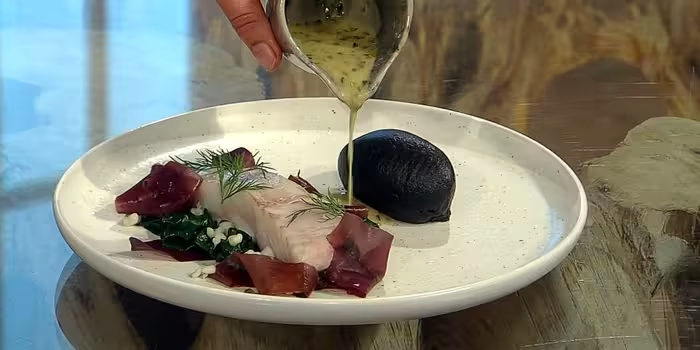
Pollock with squid and ink mash
Sea bass with sweet and sour sauce and green apple and cashew salad
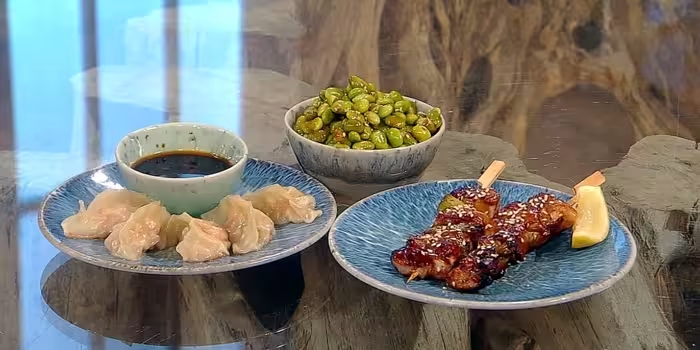
Japanese style small plates
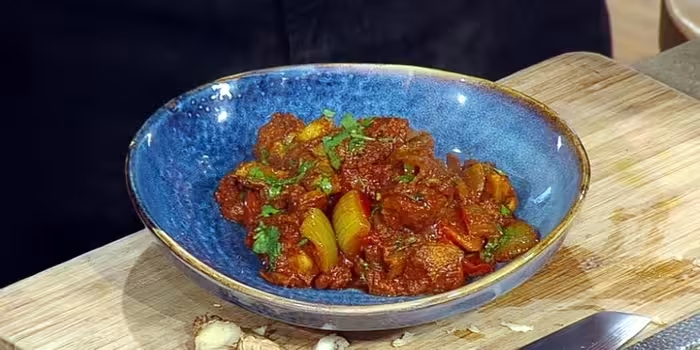
Easy chicken jalfrezi