
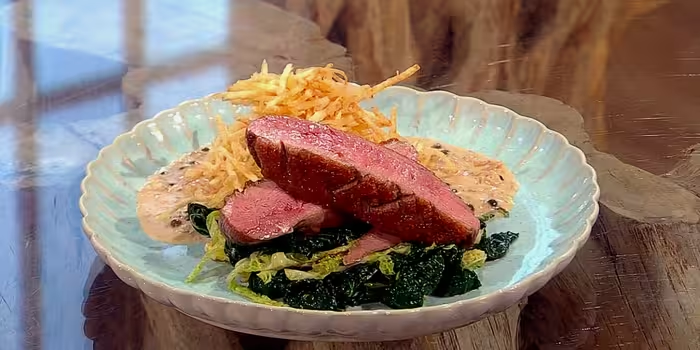
Marmalade-glazed duck breast pairs crisp-skinned, pink-centred duck brushed with a tangy orange marmalade glaze with fine, golden straw fries, buttery shredded cavolo nero and Savoy cabbage, and a silky green peppercorn sauce built on brandy, beef stock and double cream. A restaurant-style plate – rich, glossy and deeply savoury, with the marmalade cutting through the duck fat.
Jump To Recipe Original recipe by Elliott Grover
From Saturday Kitchen 21 November 2026

This duck recipe scores a Nutri-Score D. Duck breast is naturally rich and the dish leans on a generous amount of butter and double cream in the peppercorn sauce, plus potatoes deep-fried in oil – so saturated fat and energy density are high. The cavolo nero and Savoy cabbage add useful fibre, vitamin K and antioxidants, and the marmalade glaze brings only a little added sugar. It’s an occasional, indulgent treat rather than an everyday supper – fine in moderation as part of a varied diet.
Shop the Recipe
The kit that makes this recipe easy:
- Deep fat fryer – the safe, temperature-controlled way to get the straw fries golden and crisp at 175C.
- Mandoline slicer – the only realistic way to cut potatoes into fine, even straw matchsticks.
- Large frying pan – for rendering the duck fat and crisping the skin from a cold start.
- Small saucepan – for building and reducing the green peppercorn sauce.
- Slotted spoon – for lifting the straw fries out of the hot oil safely.

Ingredients
For the duck
- 2 large duck breasts
- 3 tbsp orange marmalade, with rind
- 1 tbsp red wine vinegar
- 1 tsp Dijon mustard
For the straw fries
- 2 large Maris Piper potatoes
- vegetable oil, for frying
For the winter greens
- 150g/5½oz cavolo nero
- 150g/5½oz Savoy cabbage
- 30g/1oz unsalted butter
- 1 garlic clove, finely chopped
For the green peppercorn sauce
- 40g/1½oz unsalted butter, chilled
- 1 shallot, finely chopped
- 1 tbsp green peppercorns in brine, drained
- 25ml/1fl oz brandy
- 150ml/5fl oz beef stock
- 100ml/3½oz double cream
- sea salt and freshly ground black pepper
Customise
Ingredient swaps that hold up:
- Duck breasts – chicken thighs or skin-on chicken breasts work with the same cold-pan method; allow a little longer for chicken to cook through to 75C.
- Orange marmalade – seville marmalade sharpens the glaze; fig jam or redcurrant jelly give a deeper, fruitier finish.
- Maris Piper potatoes – King Edward or Rooster potatoes swap in for equally crisp straw fries.
- Cavolo nero / Savoy cabbage – spring greens, kale or pointed cabbage all wilt happily in the garlic butter.
- Brandy – swap for dry sherry or an extra splash of red wine if you’d rather not use spirits.
How the timings work
- One hob with several pans on the go: a frying pan for the duck, a deep fat fryer (or deep pan) for the straw fries, a pan for the greens and a small saucepan for the peppercorn sauce. Start the duck first – it sets the clock for everything else.
- Duck (about 15 minutes cook + 8-10 minutes rest): skin-side down in a cold pan over a medium-low heat to render the fat and crisp the skin (8-10 minutes), then turn and cook 3-5 minutes. Glaze in the last minute, then rest while you finish everything else.
- During the duck cook and rest (~20 minutes): make the green peppercorn sauce – soften the shallot, flambé or simmer the brandy, reduce the stock, add the cream and mount with cold butter (about 15 minutes).
- During the duck rest (8-10 minutes): wilt the greens in garlic butter (about 5 minutes) and deep-fry the straw fries in small batches at 175C (2-3 minutes per batch).
- Plate in the last 2 minutes: greens down first, thick-sliced rested duck on top, straw fries alongside, green peppercorn sauce spooned around. Everything lands hot together.
Method
First, start the duck and make the glaze (about 15 minutes)
- Score the duck: score the skin of the duck breasts in a criss-cross pattern without cutting into the flesh. Season with salt and pepper.
- Start the duck cold: put the duck breasts skin-side down in a large frying pan placed over a medium-low heat – starting cold lets the fat render slowly and the skin crisp evenly. Cook for 8-10 minutes, until the fat has melted out and the skin is golden and crisp. Turn and cook for a further 3-5 minutes, or until cooked through – the flesh should be no longer pink and the juices run clear. For a beautifully pink duck breast, aim for a final core temperature of around 54-57C; vulnerable groups (pregnant, elderly or immunocompromised) should cook duck thoroughly to 75C.
- Glaze: while the duck cooks, mix the marmalade, red wine vinegar and Dijon mustard in a small bowl. Brush over the duck during the last minute of cooking, until glossy and sticky. Remove from the pan and leave to rest for 8-10 minutes before slicing. Brush again with the glaze before serving.
While the duck cooks and rests, make the green peppercorn sauce (about 15 minutes)
- Soften the shallot: melt a little of the chilled butter in a small saucepan and gently cook the finely chopped shallot until softened – about 3-4 minutes, without colouring.
- Reduce the brandy: add the green peppercorns and the brandy and simmer until the liquid has reduced by half. If you’d like to flambé, stand back and tilt the pan towards the flame; otherwise just let it bubble off.
- Reduce the stock: pour in the beef stock and simmer until reduced by half again – this concentrates the savoury backbone of the sauce.
- Finish with cream and butter: add the double cream and simmer gently until the sauce lightly coats the back of a spoon. Pull off the heat and whisk in the remaining chilled butter, a cube at a time, to mount the sauce into a glossy, silky finish. Season with sea salt and black pepper.
While the duck rests, make the winter greens (about 8 minutes)
- Prep the greens: remove the tough stalks from the cavolo nero and finely shred the Savoy cabbage.
- Cook: melt the butter in a pan, add the finely chopped garlic and cook gently for 2 minutes – don’t let it colour. Add the greens and cook until tender, tossing them through the butter so they gloss evenly. Season with salt and pepper.
While the duck rests, make the straw fries (about 10 minutes)
- Cut the potatoes: peel the potatoes and cut into very fine matchsticks using a mandoline or a very sharp knife. Rinse in cold water to remove the surface starch, drain and dry thoroughly – wet potatoes will spit in the oil and turn soggy.
- Fry: preheat a deep fat fryer to 175C. Fry the potatoes in small batches for 2-3 minutes, until golden and crisp. Remove with a slotted spoon, drain on kitchen paper and season with salt.
CAUTION: Hot oil can be dangerous. Do not leave unattended. Never fill a pan more than one-third full of oil.
Rest, slice and plate (about 2 minutes)
- Plate the greens: spoon the buttery winter greens onto warm plates.
- Slice the duck: cut the rested duck into thick slices and arrange alongside the greens. Brush with a final coat of glaze.
- Finish: add the straw fries and spoon the green peppercorn sauce around the duck. Serve immediately while everything is hot.
Techniques for Success
1. Rendering duck fat from a cold pan
The secret to crisp duck skin is patience, not heat. Put the breasts skin-side down in a cold pan and bring it up slowly over a medium-low flame – the fat renders out gradually and the skin fries in its own fat, turning golden and glassy rather than shrinking and toughening. Start hot and the skin seizes, the fat stays trapped, and you end up with rubbery skin and a flabby underside. Pour off the rendered fat every few minutes (keep it for roasting potatoes). Success looks like a deep mahogany, crackling-crisp skin with most of the fat melted away, and a flesh side that’s barely cooked when you turn it.
2. Cutting and frying true straw fries
Straw fries are finer than matchsticks – fine enough to fry crisp through in two or three minutes, with almost no soft potato core. A mandoline is the only realistic tool; a knife will leave you with uneven sticks that brown at different rates. The two non-negotiables after cutting are rinsing away the surface starch in cold water and drying the sticks thoroughly – skip either and the fries clump, stick and turn soggy in the oil. Fry in small batches at a steady 175C so the temperature doesn’t drop, and season the moment they come out of the oil so the salt sticks. Success looks like a tangle of golden, shatter-crisp threads that stay crisp for a good ten minutes on the plate.
3. Mounting the sauce with cold butter
The glossy, velvet finish on a proper green peppercorn sauce comes from mounting it with cold butter off the heat – a technique the French call monter au beurre. Whisk the chilled butter in a cube at a time once the cream has reduced and the pan is off the heat; the butter emulsifies into the sauce rather than melting into a greasy layer. Let the sauce boil after this and the emulsion splits. Success looks like a sauce that coats the back of a spoon with a satin sheen, holds its body at room temperature, and tastes rich without feeling oily.
| Technique | Failure if done wrong | Success looks like |
|---|---|---|
| Rendering duck fat from cold | Rubbery, flabby skin; fat trapped underneath | Deep mahogany, crackling skin; fat mostly rendered |
| Cutting and frying straw fries | Soggy, clumped, unevenly browned sticks | Golden shatter-crisp threads that stay crisp on the plate |
| Mounting the sauce with cold butter | Split, greasy sauce; thin and watery | Satin sheen, coats the spoon, rich without oiliness |
Tips and swaps
- Get ahead: the green peppercorn sauce can be made up to a day ahead, cooled and refrigerated; reheat gently and mount with the cold butter just before serving.
- Duck doneness: 54-57C gives a beautifully pink breast; if you prefer it more done, take it to 60-63C and rest for the full 10 minutes. Vulnerable groups should cook duck to 75C throughout.
- Reuse the duck fat: pour off the rendered fat into a jar and keep it in the fridge for roasting potatoes or frying eggs – it keeps for weeks and is liquid gold.
- No deep fat fryer: use a deep, heavy pan no more than one-third full of oil, with a thermometer to hold 175C. Never leave it unattended.
- Glaze watch: brush the marmalade glaze on only in the last minute – the sugar burns fast over high heat and will turn bitter if left too long.
- Diet note: egg-free and nut-free as written. It contains dairy (butter and double cream) and alcohol (brandy); the alcohol largely cooks off but not entirely, so it’s not suitable for those avoiding alcohol entirely.
Wine Pairing
Recommended by Helen McGinn:
Georges Duboeuf Beaujolais-Villages Nouveau, France, 2026 – Waitrose, £12.50
Beaujolais Nouveau is a smart, season-perfect match for this plate. Made from the Gamay grape and released just weeks after harvest, it’s light in body and tannin but bursting with juicy red-berry and banana fruit, which echoes the orange marmalade glaze on the duck. Serve it lightly chilled and its fresh acidity cuts cleanly through the rich duck fat and the creamy green peppercorn sauce, while the low tannin means it never turns metallic against the meat. A genuinely festive, food-friendly red for a late-November supper.
Here are equally good alternatives to pair with this dish:
Tesco Finest Beaujolais-Villages, France – Tesco, £9
A budget-friendly Beaujolais with the same juicy Gamay fruit and gentle tannin – a bright, slightly chilled red that mirrors the marmalade glaze and refreshes the palate after each rich, buttery bite.
M&S Collection Fleurie, France – M&S, £13
A mid-priced, more structured Cru Beaujolais with ripe red-cherry fruit and a silky texture. Its slightly fuller body stands up well to the duck while still complementing the peppercorn sauce.
Domaine des Quatre Vents Régnié, France – Waitrose, £18
A premium Cru Beaujolais with depth, fine tannins and a mineral edge. Elegant enough for the pink duck breast, with the fruit concentration to balance the brandy-and-cream sauce.
* Prices checked November 2026 and may vary. The alternatives are our suggestions, not necessarily wines recommended by Helen McGinn.
Recipes from this episode
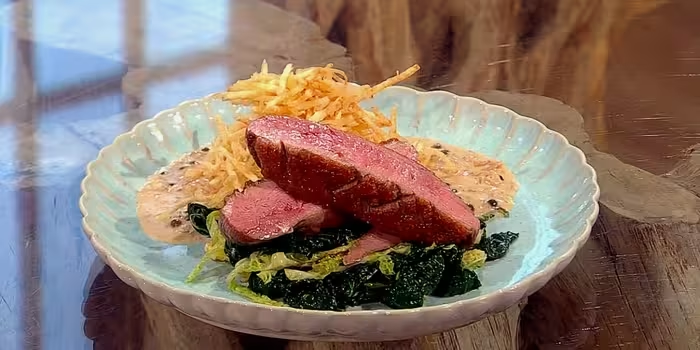
Marmalade-glazed duck breast with straw fries, winter greens and green peppercorn sauce
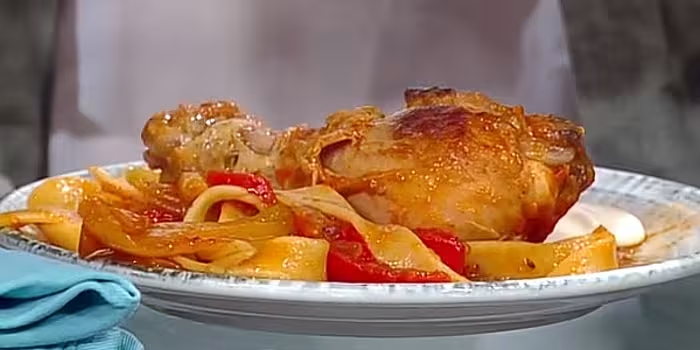
Csirkepörkölt (Hungarian chicken stew)
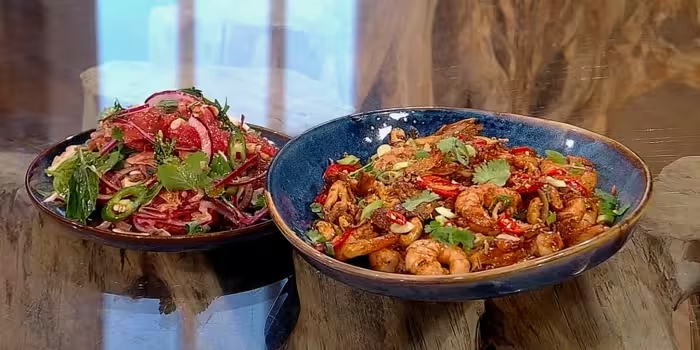
Thai-style stir-fried prawns with chilli jam (nam prik pao)
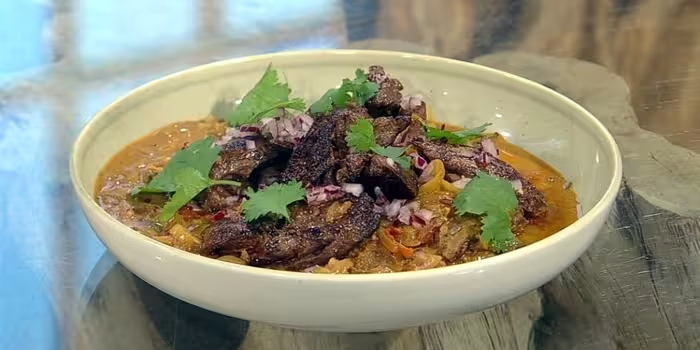
Kaleji masala (Indian-spiced chicken livers)
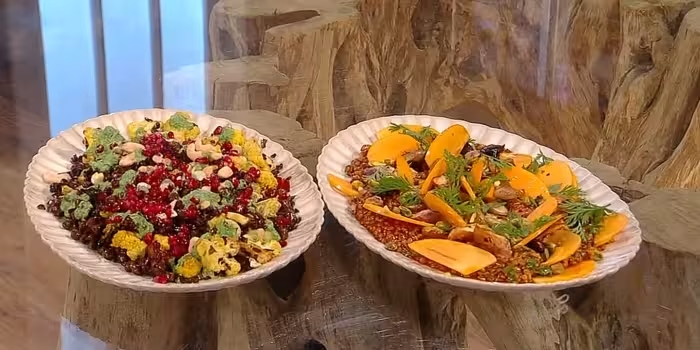
Moroccan-inspired lentil salad with persimmon and roasted winter vegetables
Panch phoron black rice and chickpea salad with charred cauliflower and mint chutney
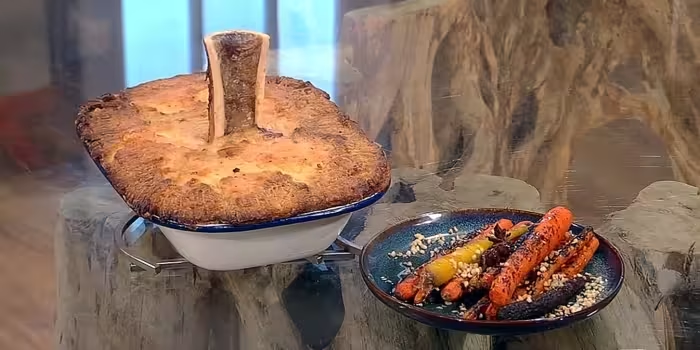
Bone marrow mash cottage pie with fire-roasted carrots