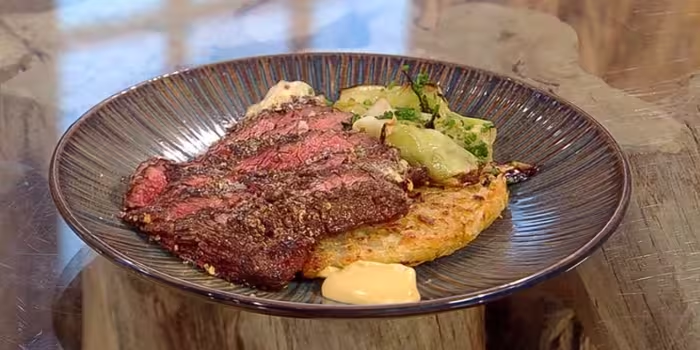
Ben Lippett’s pastrami-spiced bavette with charred cabbage turns everyday ingredients into a bold, quick steak dinner. Toasted peppercorns, coriander seeds and juniper create a fragrant pastrami-style rub, while caramelised cabbage and crisp potato rosti bring sweetness, char and comfort to this satisfying weeknight classic.
Jump To Recipe By Ben Lippett
From Saturday Kitchen 17 October 2026
 This pastrami-spiced bavette recipe scores a Nutri-Score of D. It contains red meat, butter and fried potato rosti, balanced by cabbage, onion, chives and a relatively small amount of added sugar.
Shop the Recipe
The kit that makes this recipe easy:
- Cast-iron pan – for getting a deep, even char on the bavette steak and cabbage.
- Pestle and mortar – perfect for crushing the whole spices to a coarse pastrami-style rub.
- Digital thermometer – great for cooking bavette precisely to 49C before resting.
- Small frying pans – for cooking two individual potato rosti at the same time.



Ingredients
For the pastrami spice
- 15g/½oz peppercorns
- 10g/⅓oz coriander seeds
- 2 juniper berries
- pinch chilli flakes
- pinch garlic powder or granules
- 15g/½oz brown sugar
- 15g/½oz fine salt
For the steak and cabbage
- 1 hispi, pointed or sweetheart cabbage, roughly chopped
- 50g/1¾oz unsalted butter, cut into cubes
- 4 x 250g/9oz bavette steaks
- 4 tbsp Dijon mustard
- 1 tbsp apple cider vinegar
- olive oil
- salt and freshly ground black pepper
For the potato rosti
- 500g/1lb 2oz potatoes, peeled and grated
- ½ onion, finely chopped
- 1–2 tbsp cornflour
- 2 tbsp olive oil
- 1 tbsp finely chopped chives
Customise
- Swap bavette steak for skirt steak, but cook it quickly over a very high heat and rest it well.
- Use white cabbage if you cannot find hispi, pointed or sweetheart cabbage; cut it into thicker wedges so it holds its shape.
- Replace the juniper berries with an extra pinch of chilli flakes for a simpler spice mix.
How the timings work
- One hot hob does everything: toast and grind the spices first, then use a high heat for the steak, a medium-high heat for the cabbage and a medium heat for the rosti.
- While the steaks rest: cook the charred cabbage, then make and cook the two potato rosti.
- While the cabbage chars: squeeze the water from the grated potato, mix it with onion and cornflour, and heat the small frying pans.
- During the steak’s 5-minute rest: the cabbage finishes with a short covered cook, the rosti crisp on both sides and the resting juices are saved for serving.
- Everything lands on the table together: slice the rested steaks, spoon over the juices and finish with chives.
Method
First, make the pastrami spice (about 5 minutes)
- Toast the whole spices: Heat a small frying pan over a medium heat. Add the peppercorns, coriander seeds and juniper berries, then toast for 1–2 minutes, until fragrant and lightly warmed through.
- Grind coarsely: Tip the toasted spices into a pestle and mortar or spice grinder and grind to a coarse texture. Leave some bite in the mix so it is not completely powdered.
- Finish the rub: Stir in the chilli flakes, garlic powder, brown sugar and fine salt. Mix well and set aside.
Sear the bavette, then let it rest (about 10 minutes)
- Heat the pan properly: Place a heavy cast-iron pan over a high heat until it is smoking hot. Pat the four bavette steaks dry with kitchen paper and season them lightly with salt – the pastrami spice already contains salt, so do not over-season.
- Sear all over: Add a little olive oil, then add the steaks. Cook for about 3–4 minutes in total, turning and rolling them so every side caramelises and chars. Bavette thickness varies, so use a digital thermometer and remove the steaks at 49C in the thickest part; after resting, they should reach a medium doneness.
- Mustard and spice: Transfer the steaks to a warm serving tray or plate. Brush each one with 1 tablespoon of Dijon mustard, then season liberally all over with the pastrami spice mix. Leave to rest while you cook the cabbage and rosti.
Char the cabbage while the steak rests (about 6 minutes)
- Get a proper char: Heat a frying pan over a medium-high heat. Scatter in the chopped cabbage and dot over the 50g/1¾oz butter. Cook over a high heat for 4–5 minutes without stirring, so the underside chars and caramelises while the top steams gently.
- Finish until tender: Stir the cabbage, then cover the pan with a saucepan lid for the final minute, until the cabbage is charred at the edges and tender right through. Season with salt and pepper, toss through the apple cider vinegar and keep warm.
Make the potato rosti (about 15 minutes)
- Squeeze out the water: Put the grated potato in a clean tea towel and squeeze out as much water as possible. This is the key to crisp rosti rather than soggy potato cakes. Transfer the dry potato to a clean mixing bowl.
- Bind the mixture: Mix in the finely chopped onion and 1–2 tablespoons of cornflour. Start with 1 tablespoon and add more only if the mixture feels too wet to hold together.
- Cook the rosti: Heat 2 tablespoons of olive oil between two small frying pans over a medium heat. Divide the potato mixture between the pans, press it down gently and cook for 2–3 minutes on each side, until golden, crisp at the edges and cooked through.
Slice, sauce and serve (about 3 minutes)
- Slice the steak: Cut the rested bavette into thick slices, cutting against the grain for a more tender bite.
- Plate everything: Divide the steak between four plates, spoon over any resting juices and serve with the charred cabbage and potato rosti.
- Finish: Scatter over the finely chopped chives and serve immediately, while the rosti are crisp and the cabbage is still warm.
Tips and swaps
- Get the sear right: Dry the bavette thoroughly and wait until the pan is properly smoking hot before adding the oil and steak.
- Rest for tenderness: Rest the steaks for at least 5 minutes. Removing them at 49C allows carry-over cooking to bring them to medium.
- Crisp rosti: Squeeze the grated potato very dry and resist stirring; let each side form a golden crust before turning.
- Swaps: Use skirt steak instead of bavette, or white cabbage instead of hispi, pointed or sweetheart cabbage.
- Make ahead: Grind the pastrami spice up to a week ahead and store it in an airtight jar. Grate the potato just before cooking so it does not discolour.
- Leftovers: Store the steak, cabbage and rosti separately in the fridge for up to 2 days. Reheat in a hot pan or oven at 180C until piping hot throughout.
Wine Pairing
Recommended by Helen McGinn:
The Best Chilean Carménère Reserva, Chile, 2024 — Morrisons, From £7.50
Carménère’s ripe dark-fruit character, gentle spice and soft tannins suit the pastrami-style pepper, coriander and juniper rub. It has enough body for the charred bavette, while its freshness keeps the buttery cabbage and crisp potato rosti from feeling heavy.
Here are equally good alternatives that pair beautifully with this dish:
Aldi Specially Selected Malbec — Aldi, £7.49
A juicy, medium-bodied Malbec with soft tannins and dark fruit, ideal for spiced steak and charred vegetables.
Tesco Finest Argentine Malbec — Tesco, £10
This fuller Malbec style stands up well to the peppery crust and Dijon mustard, while remaining smooth enough for a midweek dinner.
Catena Malbec — Waitrose, £15
A structured Argentine Malbec with deeper fruit and firmer tannins, a good match for the caramelised edges of the steak and cabbage.
* Prices checked October 2026 and may vary. The alternatives are our suggestions, not necessarily wines recommended by Helen McGinn.
Recipes from this episode
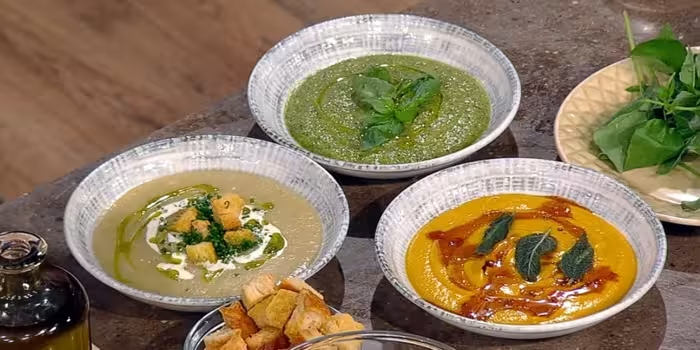
Vegetable soup trio
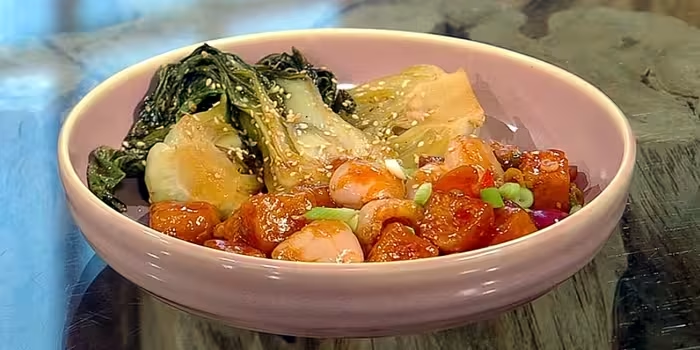
Sweet and sour lychees with tofu and pak choi
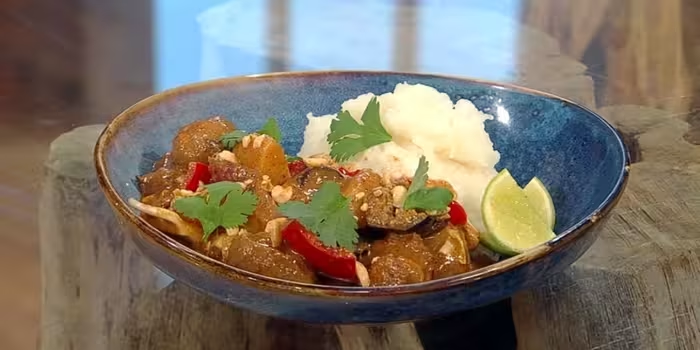
Vegetable massaman curry with sticky rice
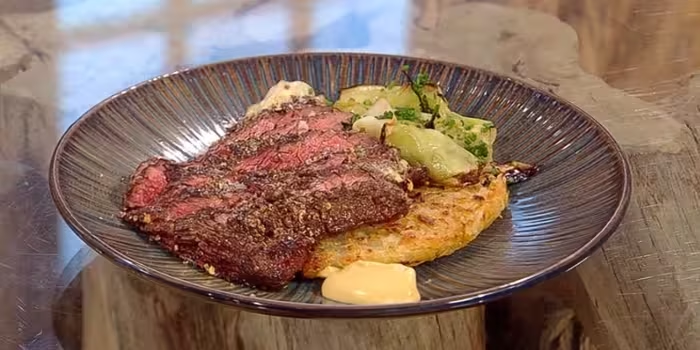
Pastrami-spiced bavette with charred cabbage
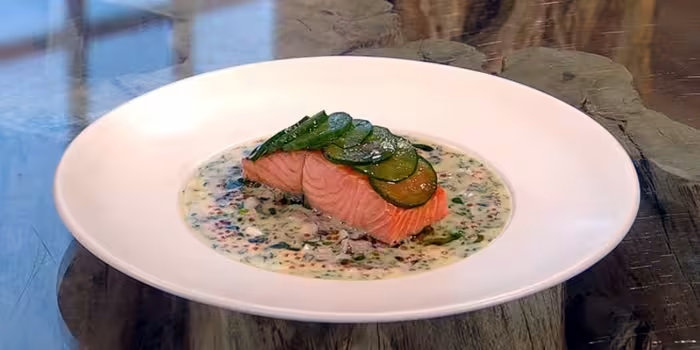
Smoked trout with pickled cucumber and beurre blanc