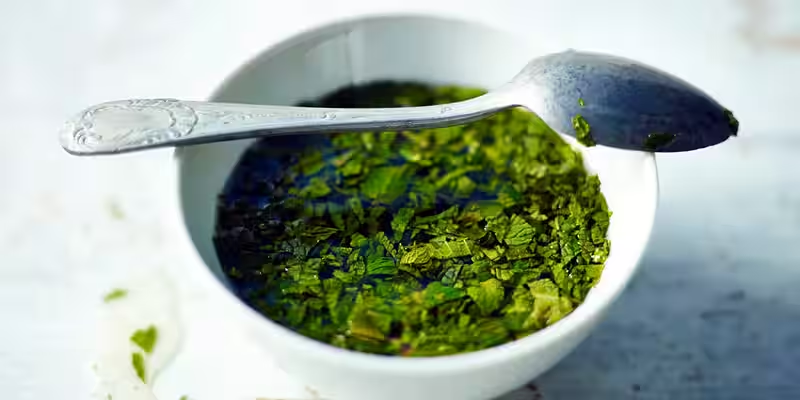
This classic British mint sauce is quick, tangy, and bursting with freshness. Made with fresh mint, vinegar, and sugar, it’s the perfect homemade alternative to store-bought mint sauce and a traditional pairing with roast lamb for over 100 years.
To make mint sauce, finely chop fresh mint leaves and mix them with sugar, boiling water, and vinegar. Adjust the balance of sweetness and acidity to taste. It’s that simple—fresh, tangy, and perfect with lamb.

By James Martin
From Housecall
Ingredients
- bunch of mint
- pinch salt
- 4 tbsp boiling water
- 4 tbsp white wine vinegar*
- 1 level tbsp caster sugar
*Use cider vinegar for milder acidity or white wine vinegar for a sharper edge.
Preparation method
- Strip off the mint leaves, sprinkle with salt and chop finely*.
- Place into a jug, add the sugar and pour over the boiling water, stir and leave to cool.
- Stir in the vinegar and taste.
- Add more water or vinegar and adjust seasoning to suit your taste.
*To make a more fine sauce use a pestle and mortar like this one.
Mint Sauce Serving Ideas
While most people immediately think of a Sunday roast when they see a jar of mint sauce, this bright, acidic condiment is actually a secret weapon for a huge variety of cuisines. Its magic lies in the balance of sharp vinegar and cool, aromatic herbs, which cuts through fat and refreshes the palate.
Traditionally served with roast lamb, mint sauce also brightens up grilled halloumi, roast vegetables, and even Indian curries. Try mixing with yogurt for a quick mint raita-style dip.
For a more Indian-style mint sauce, blend the mint with lemon juice, green chili, and a little yogurt instead of vinegar.
The Classic Roasts
In British tradition, mint sauce and lamb are inseparable. The vinegar breaks down the richness of the fat, while the mint complements the earthy, grassy notes of the meat.
- Roast Leg of Lamb: The quintessential pairing.
- Lamb Chops or Cutlets: Brush a little mint sauce on after grilling for a quick zing.
- Slow-Cooked Shoulder: Mix the sauce into the shredded meat to lift the heavy flavors.
Global Flavors: Middle Eastern & Indian
Mint is a staple in warmer climates because of its cooling properties. You can use your mint sauce as a base for or an accompaniment to:
- Tandoori Meats: Drizzle it over charred chicken tikka or seekh kebabs.
- Samosas & Pakoras: It serves as an excellent, sharp alternative to a traditional green chutney.
- Falafel Wraps: Swirl a teaspoon of mint sauce into tahini or yogurt for a refreshing wrap spread.
- Grilled Halloumi: The saltiness of the cheese loves the acidic “pop” of a mint dressing.
Vegetable Pairings
Don’t limit yourself to protein! Mint sauce is a natural friend to many spring and summer vegetables.
- Buttery Peas: The “mushy peas” classic. Stir a spoonful into crushed peas with a knob of butter.
- New Potatoes: Instead of just parsley, toss steamed baby potatoes in a mixture of melted butter and mint sauce.
- Roasted Carrots: The vinegar in the sauce balances the natural sugars of roasted root vegetables.
- Broad Beans & Asparagus: Use it as a light dressing for steamed green veg.
The “Secret Ingredient” Hacks
If you have half a jar left in the fridge, try these unconventional (but delicious) uses:
A Quick Tip on Balance
If your sauce is particularly vinegar-heavy, you can mellow it out by stirring in a teaspoon of honey or a dollop of plain yogurt before serving it with lighter dishes like fish or poultry.
See also the Mary Berry Fresh Mint Sauce recipe.
Mint Sauce is the ideal partner for lamb – for the complete foolproof guide see the Leg of Lamb Recipe and Ultimate Guide with Cooking Times, Temperatures, Gravy, Sides & Drinks